The Impact of Wearables: Can Tech Actually Make You Better?
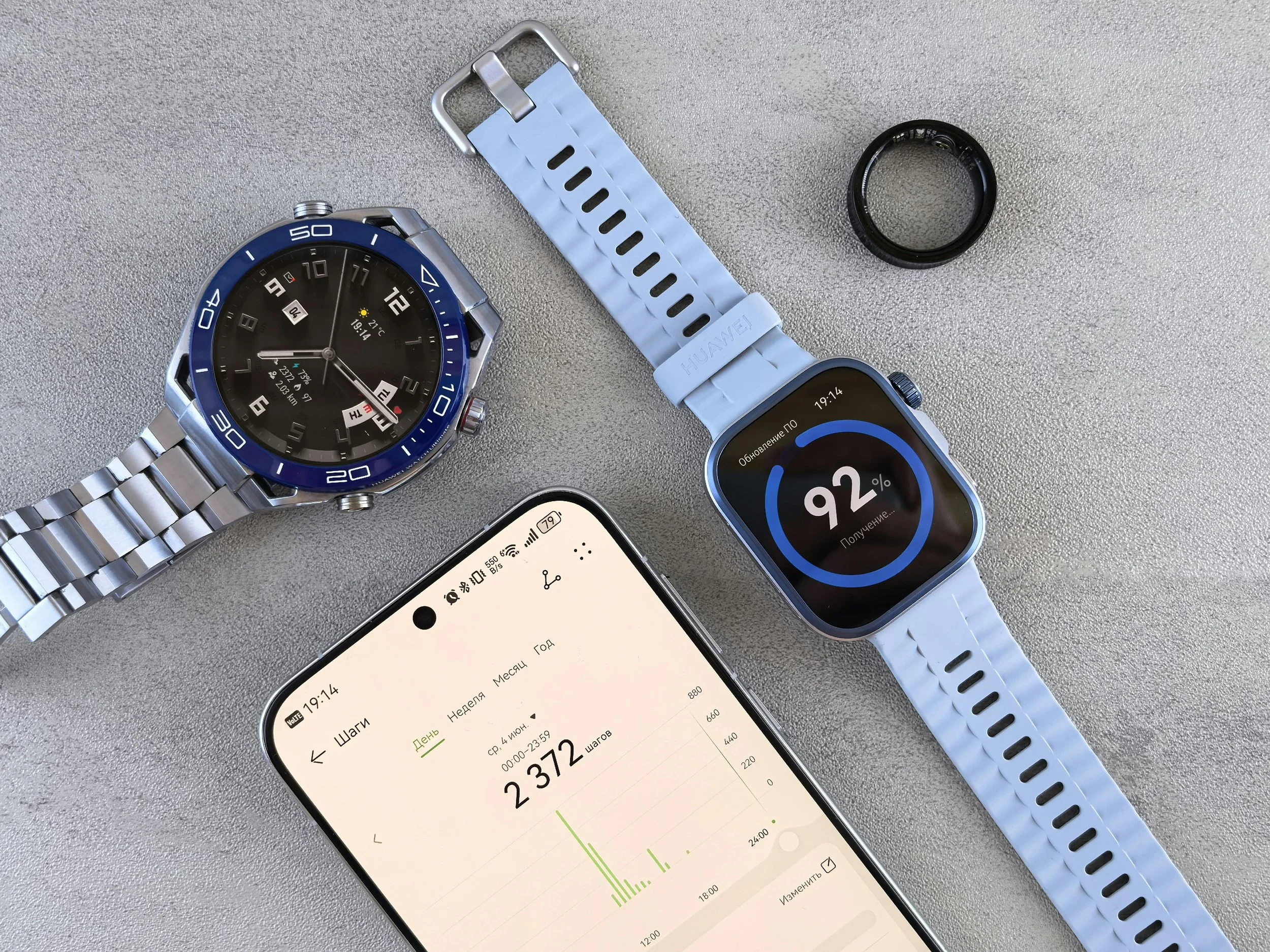
Smartwatches. GPS trackers. Heart-rate straps. Sleep rings. Recovery apps.
Wearable technology has transformed the modern athlete’s world, from youth sports to the professional level. But here’s the real question:
Does wearing tech actually make you better? Or does it just give you more numbers?
Let’s break it down.
What Wearables Actually Track
Today’s devices can monitor:
Heart rate & heart rate variability (HRV)
Sprint speed & distance covered
Sleep stages
Recovery scores
Body temperature trends
Stress levels
Training load & intensity
Brands like WHOOP, Garmin, Apple, and Oura Health have made elite-level data accessible to high school athletes, weekend warriors, and seniors staying active.
But data alone doesn’t create improvement.
Applied data does.
How Wearables CAN Make You Better
Smarter Training (Not Just Harder Training)
Tracking heart rate zones prevents overtraining and undertraining. Instead of guessing intensity, athletes can:
Stay in aerobic zones on recovery days
Hit true high-intensity levels on speed days
Monitor training load over weeks
For baseball pitchers, for example, tracking workload can reduce injury risk, something especially relevant if you’re thinking about long-term performance development.
Recovery Becomes Measurable
HRV (heart rate variability) gives insight into nervous system readiness.
High HRV = body ready to perform
Low HRV = body under stress
Instead of “I feel tired,” you have objective confirmation. This helps athletes avoid digging recovery holes that lead to burnout.
Sleep Optimization
Elite performance starts at night.
Wearables reveal:
Total sleep time
REM and deep sleep trends
Sleep consistency
For teen athletes balancing academics and sports, this is powerful. Many underestimate how much sleep debt impacts reaction time, focus, and injury risk.
Accountability & Consistency
Sometimes the biggest benefit isn’t physiological; it’s behavioral.
Seeing:
Step counts
Weekly mileage
Recovery trends
… encourages consistency. And in athletics, consistency beats intensity over time.
Where Wearables Can Backfire
Data Overload
Too many numbers = paralysis. Not every metric matters every day.
Anxiety & Obsession
Some athletes become hyper-focused on recovery scores instead of listening to their body.
Ignoring Context
A bad night’s sleep doesn’t mean you’re doomed for practice. Trends matter more than single readings.
How Athletes at Every Age Should Use Wearables
Kids (Under 13)
Focus on fun and movement.
Avoid heavy data analysis.
Use simple step tracking if anything.
Teens
Monitor sleep and recovery.
Use heart rate zones for conditioning.
Avoid obsessing over calories or weight metrics.
Adults
Use load management to prevent injury.
Track sleep consistency.
Pay attention to stress metrics.
Seniors
Monitor heart rate during exercise.
Track daily activity levels.
Use fall detection features when available.
The Real Answer: Tech Is a Tool, Not a Shortcut
Wearables don’t replace:
Discipline
Skill development
Coaching
Nutrition
Mental toughness
But they can sharpen all of them.
The best athletes use tech the way they use film review:
Not as a crutch
But as a feedback system.
Final Takeaway
Wearables won’t magically make you faster, stronger, or more skilled.
But if you:
✔ Understand the metrics
✔ Focus on trends, not daily swings
✔ Pair data with smart training
✔ Keep perspective
… then yes, tech can absolutely make you better.
The future of performance isn’t just about training harder.
It’s about training smarter.
Do you like this personality?