Periodization 101: How to Plan Your Training Year
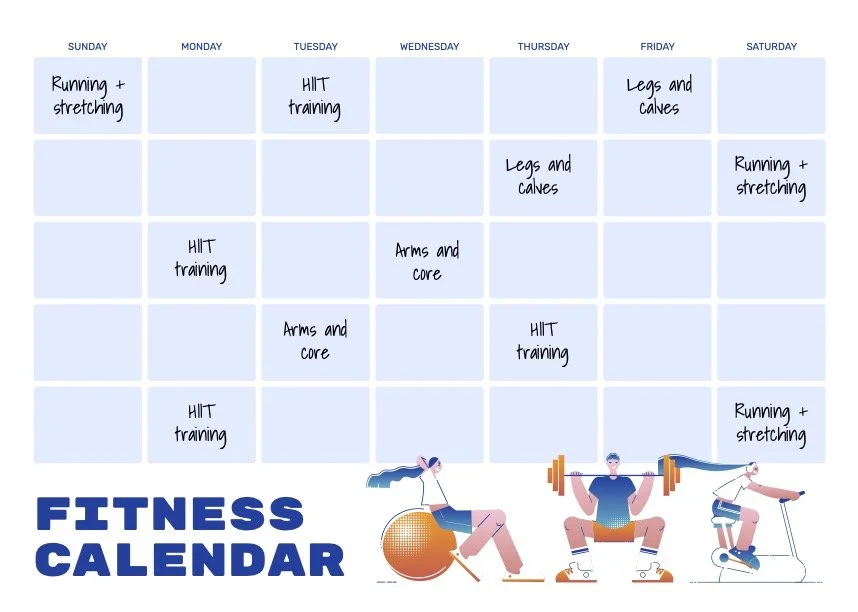
Training harder isn’t always training smarter. Periodization is the simple, science-backed idea of organizing your training year into phases so you build fitness, avoid burnout, and peak at the right time. Whether you’re a young athlete, a busy adult, or staying active later in life, periodization helps you progress on purpose.
Periodization is the structured planning of training over time to help the body adapt, improve, and recover sustainably. Instead of doing the same workouts week after week, periodization strategically changes volume, intensity, and focus to match how the human body actually responds to stress.
At its core, periodization answers three questions:
What should I train now?
How hard should I train?
When should I rest or peak?
Why Periodization Works
Your body improves through a cycle known as stress → adaptation → recovery. If stress is too low, nothing changes. If it’s too high for too long, performance drops and injury risk rises. Periodization keeps training in the productive middle.
By planning changes in advance, you:
Reduce overuse injuries
Avoid plateaus
Improve long-term performance
Stay mentally motivated
The Building Blocks of Periodization
1. Macrocycle: The Big Picture
The macrocycle is your longest planning window—typically 6 months to 1 year.
It’s built around:
Competition dates or personal goals
School or work schedules
Travel, holidays, and known stressors
Think of the macrocycle as the outline of your training story.
2. Mesocycles: The Focused Blocks
A mesocycle usually lasts 4–12 weeks and has a clear purpose.
Common mesocycles include:
Base building (aerobic fitness, general strength)
Strength development
Power and speed
Sport-specific preparation
Recovery or transition
Each mesocycle builds on the last—what you build early supports what comes later.
3. Microcycles: The Weekly Plan
The microcycle is typically 1 week and defines the actual workouts.
A microcycle manages:
Hard days vs easy days
Strength vs conditioning
Training vs recovery
Example:
2–3 hard sessions
2 moderate sessions
1–2 light or recovery days
This is where periodization becomes practical.
Key Training Variables That Change
Periodization works by adjusting:
Volume (how much you do)
Intensity (how hard it is)
Frequency (how often you train)
Specificity (how close training is to your sport or goal)
Early phases emphasize volume and technique. Later phases increase intensity while volume drops—allowing peak performance without exhaustion.
Types of Periodization
Linear Periodization Gradual shift from high volume/low intensity → low volume/high intensity Great for beginners
Undulating Periodization Intensity and volume vary weekly or daily Effective for experienced athletes
Block Periodization Highly focused blocks targeting one quality at a time Common in elite training
How Periodization Looks at Every Age
Children (Ages ~6–12): Build the Base
Goal: Movement skills, fun, and confidence Focus on:
Running, jumping, throwing, climbing
Bodyweight strength and coordination
Short, playful sessions
Avoid: Heavy loads, specialization, or year-round intensity
Tip: Seasons should change activities (soccer → swimming → gymnastics). Variety is periodization for kids.
Teens (Ages ~13–18): Develop & Protect
Goal: Skill growth, strength development, injury prevention Focus on:
Learning proper strength training technique
Gradual increases in intensity
Clear off-seasons and in-seasons
Example Year:
Fall: Strength base + mobility
Winter: Power and speed
Spring: Sport-specific training
Summer: Active recovery + light conditioning
Tip: Schedule at least 1–2 low-intensity weeks every 8–10 weeks to protect growing bodies.
Adults (Ages ~19–55): Balance Performance & Life
Goal: Progress without burnout Focus on:
Strength, cardio, and mobility
Planned deload weeks (every 4–6 weeks)
Adjusting volume during busy work or family periods
Example:
8 weeks building strength
1 week deload
6 weeks of power or endurance focus
1–2 weeks recovery
Tip: Consistency beats intensity. Periodization helps you stay in the game year-round.
Seniors (55+): Preserve & Perform
Goal: Independence, strength, and longevity Focus on:
Strength (especially legs and core)
Balance and flexibility
Longer recovery phases
Example:
6–8 weeks gentle strength progression
2 weeks of active recovery
Ongoing low-impact cardio (walking, cycling, swimming)
Tip: Periodization here is about smart stress, not pushing limits. Recovery is training.
Key Rules for Everyone
Plan rest as carefully as workouts
Progress gradually—no sudden jumps
Listen to fatigue signals (sleep, mood, soreness)
Train for when it matters most, not all the time
Bottom Line
Periodization isn’t just for elite athletes—it’s for anyone who wants to train better, not just harder. When your training follows a plan, your body adapts, your motivation stays high, and your results last.
Train with a calendar, not just a stopwatch.